No products in the cart.

Our instructional, fun and inspiring Workshops are the culmination of over three decades of teaching experience and 15 years of landscape photography. Behind each Workshop there are multiple trips dedicated to scouting and exploring the locations in different seasons, under different light, with different weather, different tides, and so on. For your safety and comfort, nothing is left to chance.
We pride ourselves in preparing them down to the tiniest detail to offer you the best, most unique Workshops on the market and ensure that you will have a wonderful experience with us.
Now, to make the most out of our Workshop together, there are a few things we would recommend you prepare for as well.
Please follow the guidelines in this page to make sure that you will be ready for the physical demands of your chosen Workshop, comfortable operating your camera, have all the necessary gear, and - last but not least! - be “dressed for the occasion”. This way, you will fully enjoy your time with us, concentrating only on creating the best images you can, for a truly unforgettable Workshop!
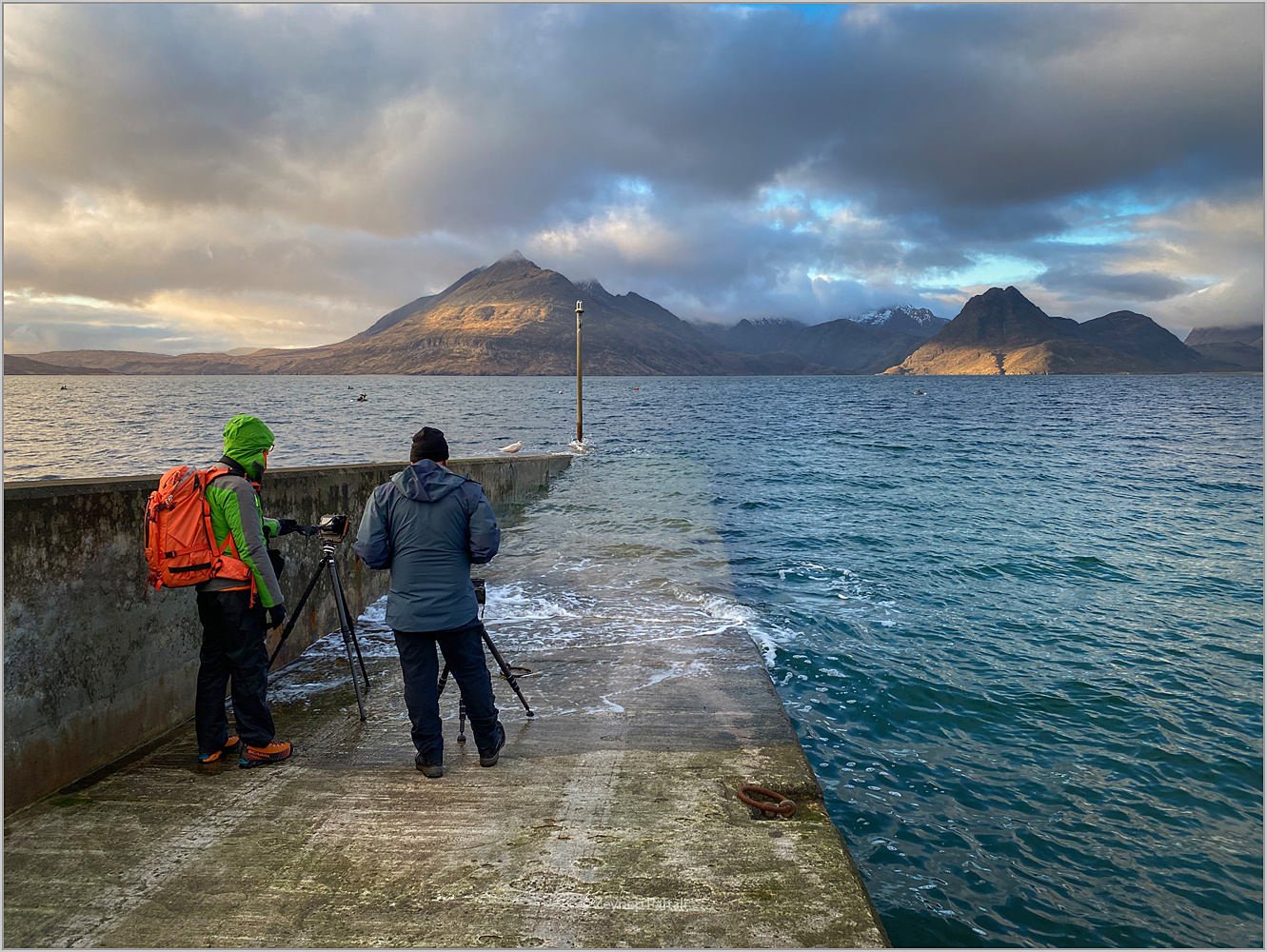
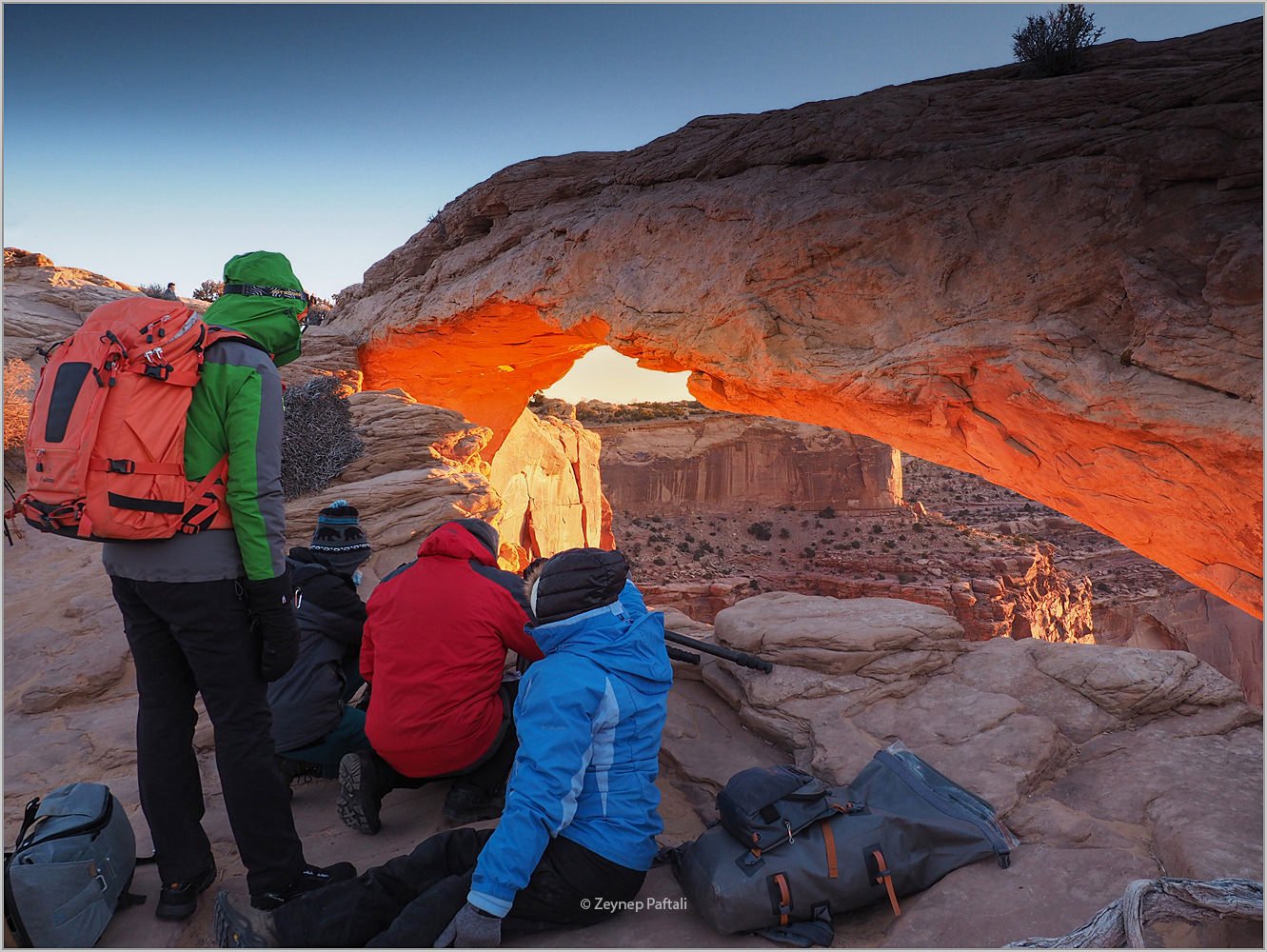
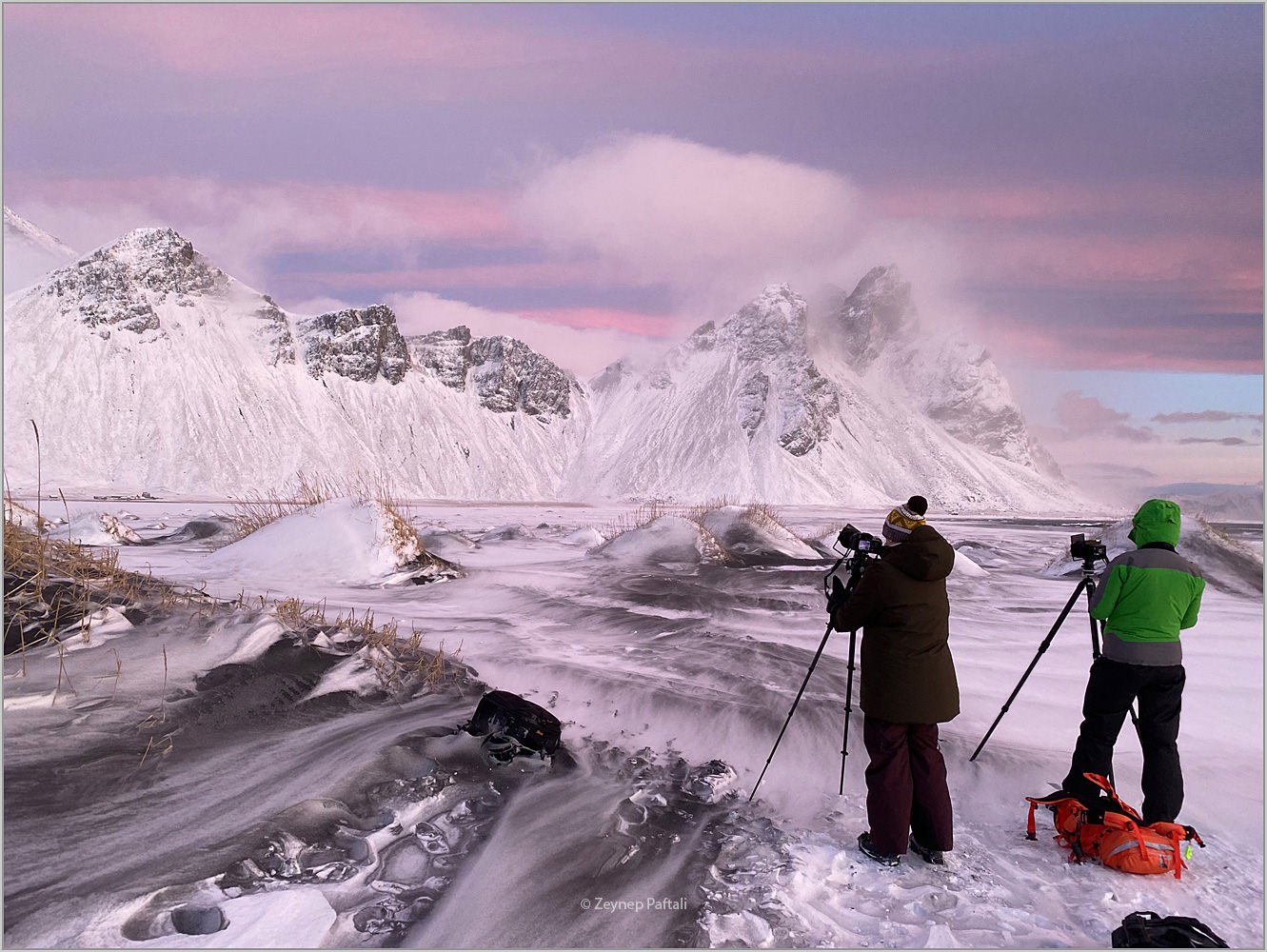
Any given Workshop’s difficulty level is a combination of the Workshop’s walks length and terrain, related to your personal fitness level, together with the weather and temperature.
Any given Workshop might feature locations with very different fitness requirements, and what is easy for someone might be difficult for someone else. Therefore, rather than deciding on a set of arbitrary definitions of difficulty levels, we decided to tell you what kind of walks and hikes you will face and on what terrain instead. Add that to your personal fitness level, which only you can know. Then, have a look at the clothing requirements for your chosen Workshop and check the average temperatures for your chosen dates and destinations to know whether we will be working in a cold or hot environment.
We believe doing the above will give all the elements to decide whether a Workshop is for you. If you still have any doubts, please don’t hesitate to CONTACT ME, we are always happy to hear from you!
To attend any of our Workshops, you should be able to:
Should you require assistance to do any of the above, please let us know in advance and we will be happy to arrange it for you, if possible.
Below you will find an explanation of the walks levels and terrain difficulty levels that you will find in each Workshop’s page.
EASY | All Workshop’s walks will range from within a few hundred meters to 2-3 kilometres (1-2 miles) return, on even ground. Walks uphill and downhill, when present, will feature smooth and small changes in elevation.
MODERATE | Same as EASY, plus possible walks of 4-5 kilometres (2-3 miles) or more, return, on easy ground. Possible hikes of 2-3 kilometres (1-2 miles), return, on uneven ground and / or with moderate elevation gain.
HARD | Same as MODERATE, plus possible hikes of several kilometres return, and / or with elevation gain of hundreds of meters and / or on uneven ground.
EVEN | All walks are on even ground and clearly marked paths.
UNEVEN | Possible walks on uneven ground and / or on boggy ground.
SLIPPERY | Possible walks on slippery ground (e.g. wet ledges). Under-boot Ice Crampons required.
ICE, SNOW & SAND | Possible walks on ice, snow and / or sand. Under-boot Ice Crampons required for ice & snow.
WADING | Possible locations where wading or standing in water is needed, with slippery underfoot. Chest Waders required, studded soles highly recommended.
Below some quick tests you can do at home to check your fitness level. Load your camera backpack as you would during your Workshop of choice, put it on your shoulders and try them to see where you stand.
If you can do all of the above without any problems, you will be fine for all of our Workshops, short of custom-made Adventure level ones.
For your own safety, and to ensure that you will enjoy your time with us in complete comfort, upon your application I will send you a short survey about your physical fitness. Filling the survey is mandatory to complete your application. Since I rely on your answers to provide me with a correct picture for me to assess whether a particular Workshop is right for you or not, I kindly ask you to be open about your fitness level and about any injuries, illnesses and / or surgeries you might have or have had.
Also for your own safety, I reserve the right to ask you for a doctor’s note if I feel it is needed due to your fitness level and / or medical history as presented to me by you. As well, I reserve the right to refuse you participation to any Workshop if I deem that your fitness level will make your attendance a risk to yourself or to others. Finally, if during a Workshop I will find your fitness level to be non consistent with what you represented to me, for your own safety and for the safety of others I also reserve the right to limit your participation from hikes and locations that I feel could pose a danger to you or to others. In such cases, it will be my pleasure to suggest alternate locations for you to enjoy, if available.
During our Workshops I will share with you my Workflow in detail, from shooting to printing, including all the tools I use. Photoshop Camera Raw (same engine as Lightroom) is my RAW converter of choice, but I am familiar with RAW converters such as Capture One and Lightroom. I favour doing as much processing as I can at the RAW conversion stage, finishing all my images in Photoshop using LUT tables when needed. At present I am using DxO Nik Silver Efex Pro (out of Nik Collection) as my only plugin.
If you already use a different RAW conversion software or plugin suite, I believe that it would not make sense for me to force you to learn a completely new Workflow and software suite during our Workshop. Especially so, if you are comfortable with your current Workflow. So, by all means bring the software you are comfortable with and I will help you make the most out of it.
However, I assume that at least part of the reasons for you to join us is because you like my photographs, their look and their style. So, if you are not using them already, I encourage you to try and familiarise yourself with the software and plugins I use before the Workshop. This way, during our time together you will be able to try all or part of my Workflow and see what fits.
If the software you use is subscription based, I recommend logging in right before hitting the road, to make sure you have the ability to use your software for the Workshop's duration even if we will not find good internet access.
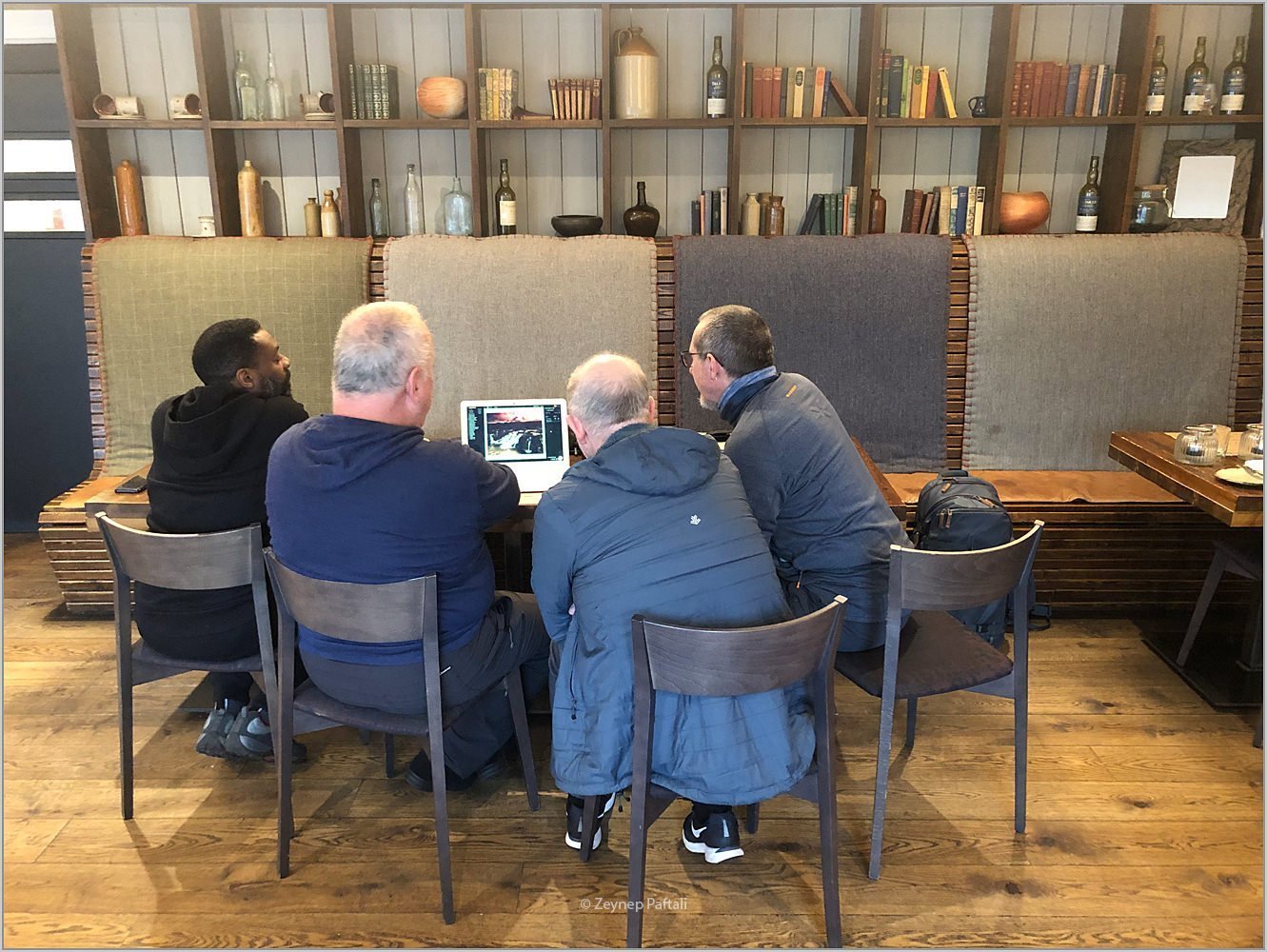
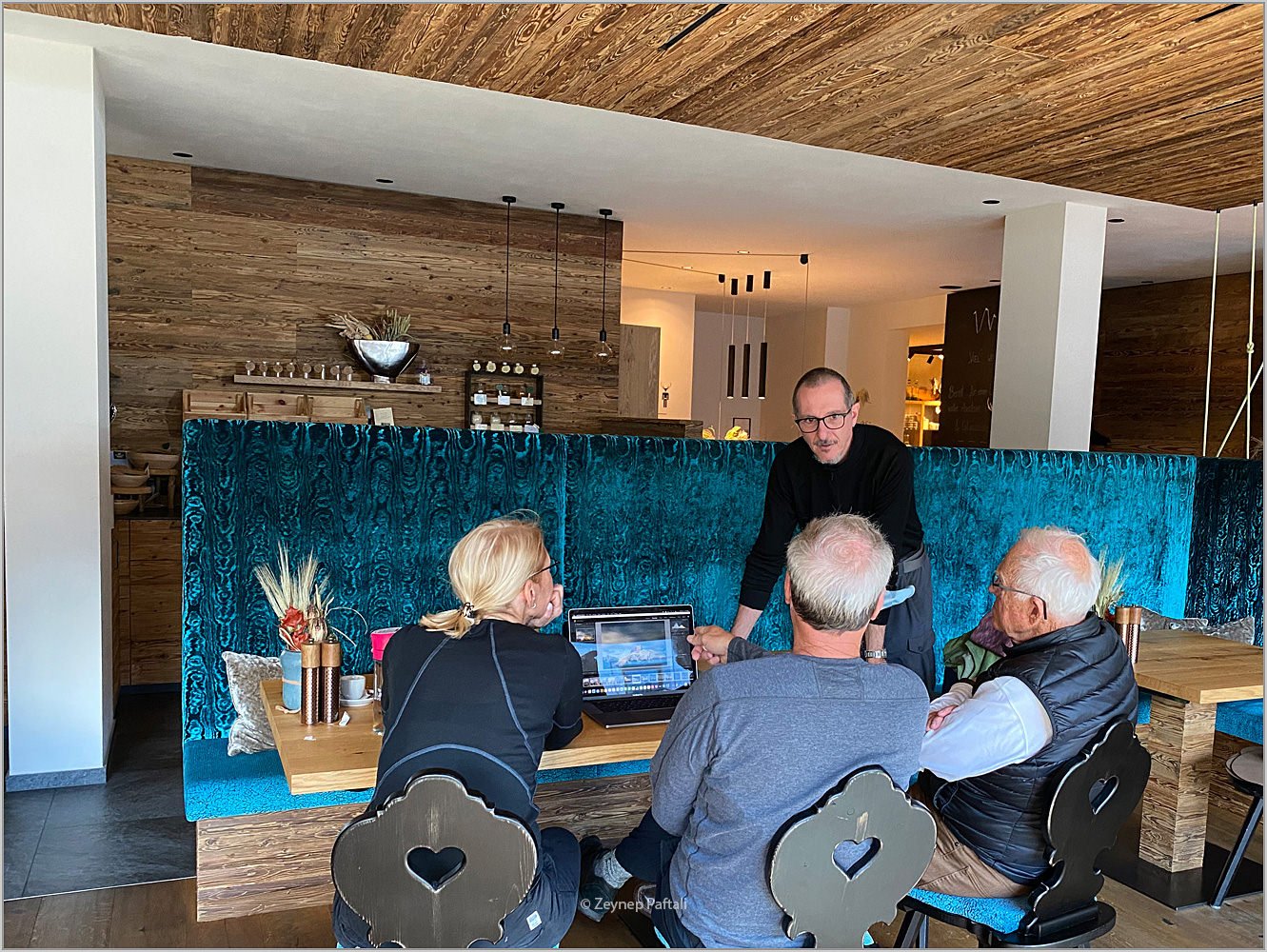
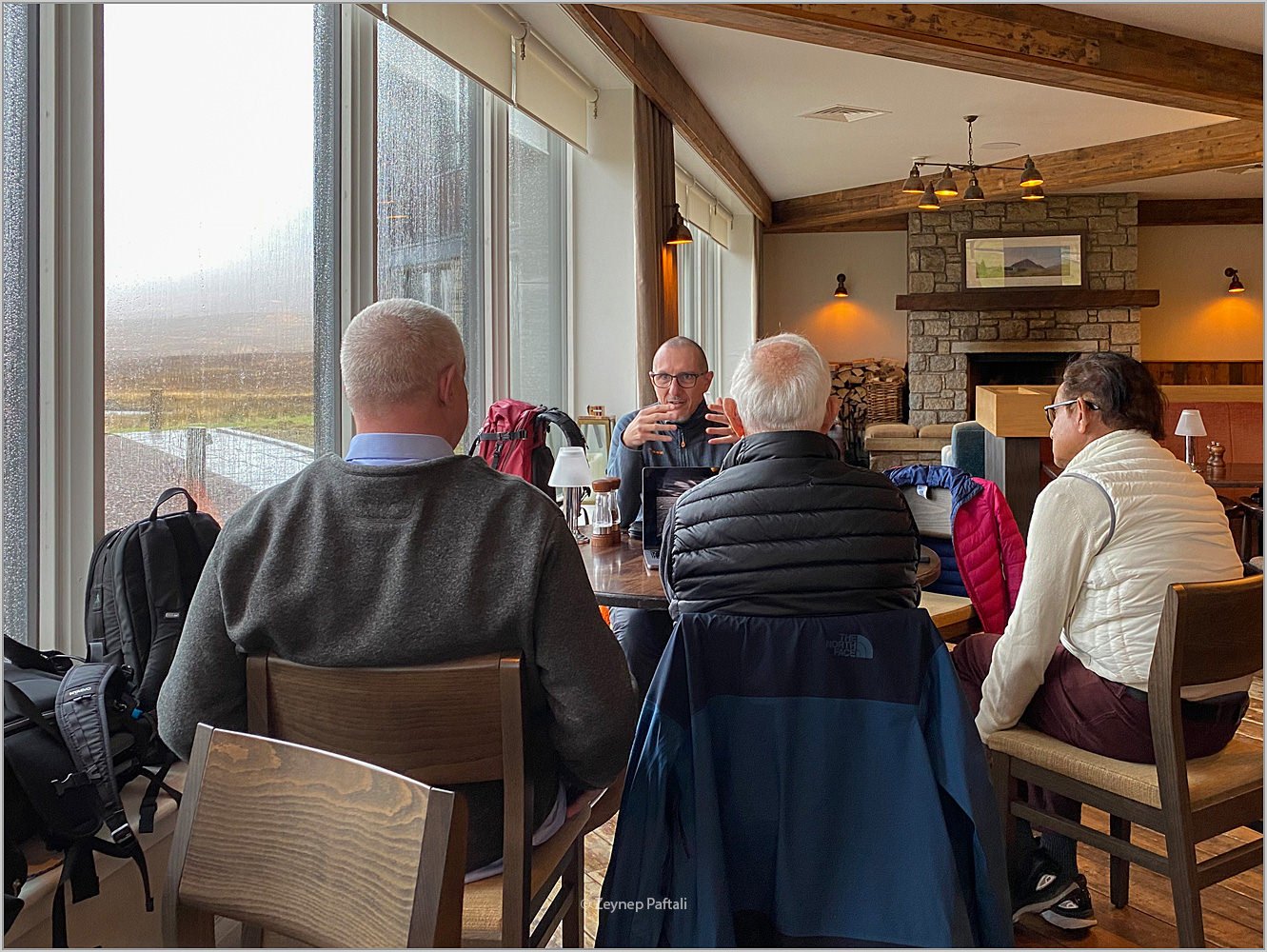
While I fully appreciate being excited about a new camera, I believe that a Workshop is not the best place to use it for the first time. If you have not done so already, to make the most out of your time with us I recommend learning your camera before coming to the Workshop. If you will not know your camera well, you will end up spending a lot of time in the field figuring it out rather than taking beautiful photographs and improving your skills.
Below you will find a checklist with my recommendations to make sure you will enjoy your time with us creating great photographs rather than fighting with your gear:
Regardless of how much Workshop experience you have, we thought it useful to provide you with our list of recommended gear to bring with you. Upon booking, it will be my pleasure to ask you for a detailed list of your gear and offer you dedicated recommendations for your Workshop of choice (see VIERI'S GEAR for more information about what I currently use).
Digital or film, DSLR, mirrorless or tech camera, you can join us with any camera you like. That said, the best camera is the one you are familiar with, so if you bought a new one right before the trip please dedicate some time to learn its functions and menus before hitting the road, it will help you enormously to make the most out of your trip and of our time together!
Cameras are prone to failure, just like everything else. No matter how reliable my cameras are, having a backup is a must for me. Carrying two identical bodies, or at least two bodies of the same brand and “family”, will help minimising the need for extra lenses and accessories, as well as making it easier to switch between bodies seamlessly in the field if needed.
Since we will be out for most of the day, extra batteries are a must. USB or car chargers, if available for your camera, will help you charge batteries in the car at a pinch. If you are flying to the Workshop, remember to bring all your batteries with you in your carry-on, to comply with airlines regulations.
For most of our Workshops, lenses covering the range between ultra-wide angle (minimum 15-16mm FF equivalent, wider welcome) and moderate tele (200mm max) are all you need. Upon booking, it will be my pleasure to send you detailed lens recommendations tailored for your Workshop of choice.
Filters are amazing tools for landscape photography, to control exposure length, manage the light, control saturation and so on. If you have a kit, most definitely bring it with you, you will not regret it. If you need advice about purchasing your first kit, I will be happy to help.
A sturdy tripod is fundamental. I use Gitzo, Really Right Stuff and FLM tripods, but there are many good brands out there. If you need to get your first one or to upgrade your current choice, let me know and I will be happy to offer you my recommendations.
A solid ballhead is just as important as a good tripod, and I recommend Arca-Swiss ballheads without reservations. I love and use the Arca-Swiss P0 Monoball Classic, because of its great ergonomics and genius design allowing for superior stability and no creep (see my review of it HERE). Since moving to 4x5" large format film, I have been trying and loving the Arca-Swiss P0 Hybrid, which adds geared fine-tuning control to the same genius design of the P0 Monoball Classic, as well as the Z1+ for maximum rigidity under heavy loads.
For maximum stability and flexibility, I recommend hands down using L-Brackets versus camera plates, since they allow you to use your camera in portrait orientation while keeping its weight on the weight center of your tripod. My current Arca-Swiss 4x5" film cameras both have a built-in Arca-Swiss foot and do not need an extra L-Bracket. For the cameras that do, I recommend Really Right Stuff or Leofoto L-brackets, they work great and you are likely to find a dedicated one for your camera.
While we will work with our cameras on a tripod most of the time, even if you are not normally used to carry a strap I find having one to be extremely useful, both for extra flexibility when moving around in the field and to prevent accidents. I love Harry Benz straps and use them on all my cameras (see my review of them HERE), but any brand is good as long as the strap is secure and you are comfortable with it.
I recommend bringing enough cards to never have to format one during a Workshop. As far as size, for reliability I never use the last and largest on the market; one size down still gives you plenty of space while minimising failure risks. For my PhaseOne IQ4 150 Mp Achromatic digital back I favour Prograde Gold 256 and 512 Gb cards, both CFExpress and SD.
Bring a laptop or pro tablet you are familiar with, making sure that both your computer or tablet’s OS and the post-processing software you use are up to date. If you use subscription-based software, please log out and log in again before the trip, this way you will have 30 days of use in case we will not find a good internet connection.
If your laptop or tablet does not have a built-in one, or if your gear does not support wi-fi transfer, please remember to bring a card reader to download your photographs to your computer or tablet for our image review and post-processing sessions, as well as for backup.
Plug adapters are fundamental for international travel. Please check the plugs in use in your chosen Workshop’s country and bring the necessary adapters with you, if needed.
Lens cleaning cloths are fundamental for dust, rain and fresh-water spray, and I always carry a couple extra ones with me just in case.
Wet wipes are fundamental to clean salt-water spray. I love and use Zeiss Cleaning Wipes, and I always carry a few in my camera bag just in case.
Bring at least a rocket blower. I favour the Rollei one due to the presence of an air filter preventing you to blow more dust on the sensor. Sensor wet cleaning supplies are useful if you feel comfortable wet cleaning your sensor yourself. I use and love Visible Dust products.
I stopped carrying dedicated rain covers a long time ago, but I always have a shower cap in my bag in case of emergency. It takes up zero space in the bag and works just as well as a rain cover
It might sound obvious, but you would be surprised to see how many people join us without a good, well-organised solutions for hiking with their gear. To me, there is simply no alternative to a backpack for that.
A backpack should be comfortable to carry on your shoulder, offer great weight distribution, and keep all your gear well organised. A weatherproof bag with a rain cover is a must. Sternum strap and waist belt are a must for comfort, aluminum frame and adjustable harness are very welcome. I currently love and use NYA-EVO backpacks.
Fundamental to navigate our way to our sunrise locations, to come back from our sunset locations and of course necessary for night photography. Ideally, it should feature both white and red light, better if with selectable intensity. I use USB-powered Nitecore headlamps and flashlights.
I always have a Opinel pocket knife and a Leatherman multi-tools with me, and they often come in very handy. If you are flying to your Workshop, just make sure you leave them in your checked bag and not carry them on the plane by mistake!
Being properly dressed for your selected Workshop’s weather conditions is fundamental to ensure you will enjoy your time photographing. While we do not want you to overpack and bring dead weight, it is always best to be prepared for the worst. Please check the recommendation list for clothing and footwear in your chosen Workshop’s dedicated page and make sure your clothes fit comfortably and your footwear is properly broken in.
A second form of ID is not just extremely useful on international trips in case you lose your primary ID, it can also be mandatory for credit card use in some country. Keep a photo of your passport with you as well, it might save the day if you lose the passport itself.
For some destination it might be useful to have specialty lenses such as fast wide-angle primes for night photography, e.g. for the Northern Lights, tilt-shift lenses, Macro lenses and so on. I will let you know if your selected Workshop needs any such lens.
A remote trigger is fundamental to prevent camera movement induced by pressing the shutter when using delayed shutter is not possible. When working with film, I carry one for each of my large format lenses. My digital camera on the other hand does not need one, but if your camera needs one to manage long exposure, Bulb mode and interval exposures, most definitely bring one with you.
To prevent possible card corruption problems leading to image losses, I favour cameras with dual card slots. I always set my second card as an identical backup of the first.
For extra safety, I always recommend carrying an external hard drive or a similar backup solution. I back my digital images up daily both on my laptop and on an external HDD when traveling.
Hotel rooms never seem to have enough power outlets. A power strip, with a plug adapter if you travel abroad, will come in very handy to fix that.
Knee pads are great to get low with your camera on rugged terrain, sharp rocks, salt flats, dusty places and the like without risking hurting yourself, damage your clothes or just for that extra bit of comfort. I find that one is enough to kneel down comfortably while carrying less weigh and bulk.
Walking sticks are a must for someone, while someone else finds them totally useless. If you are in the former camp, by all means bring them with you, they will make your hiking with us easier and safer.